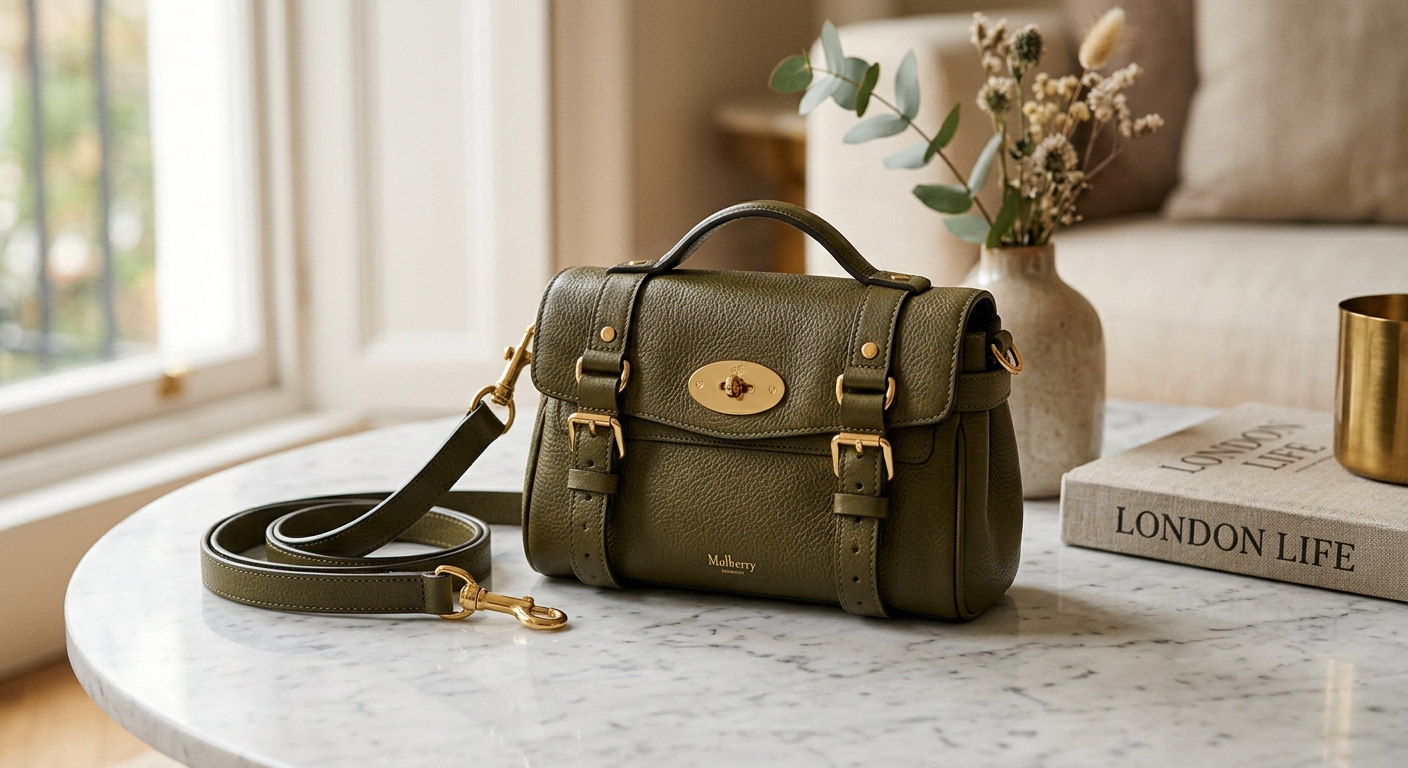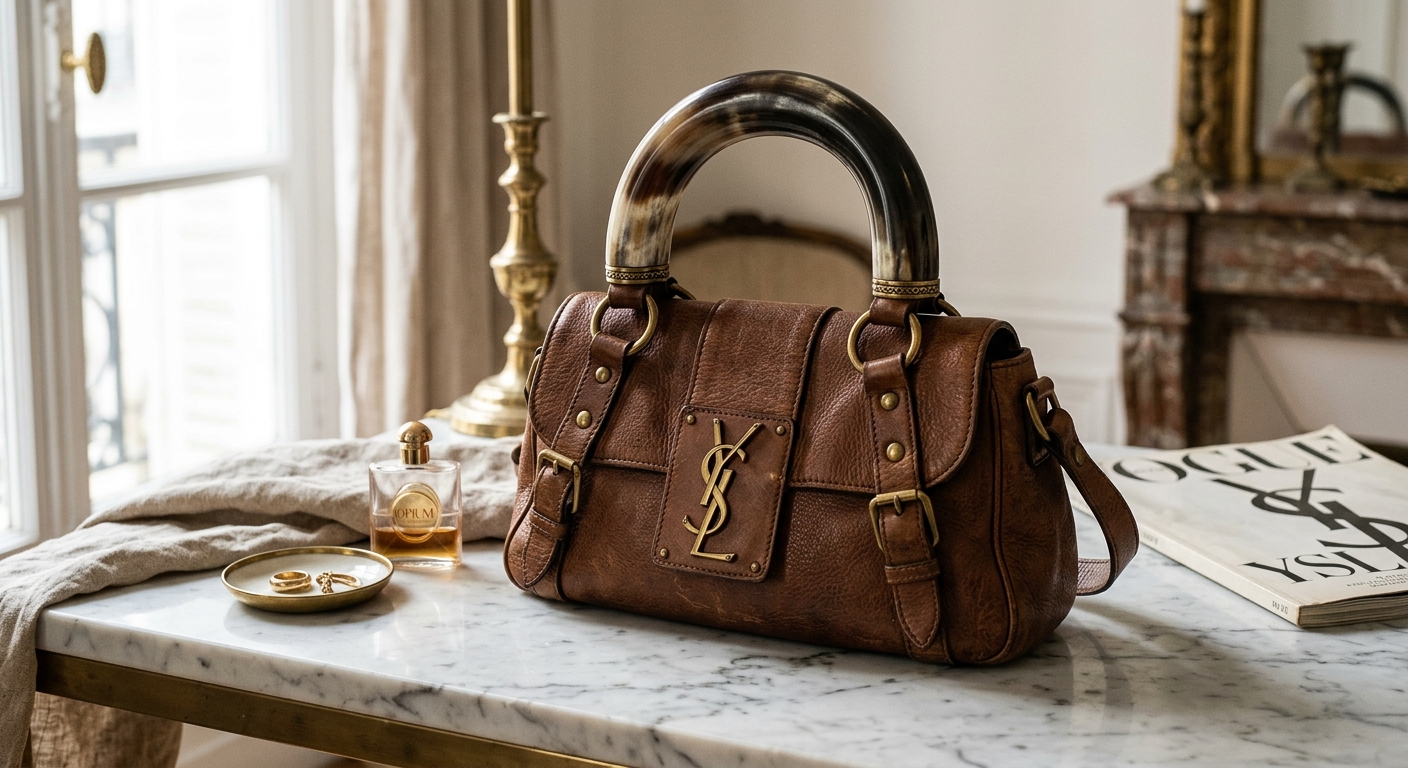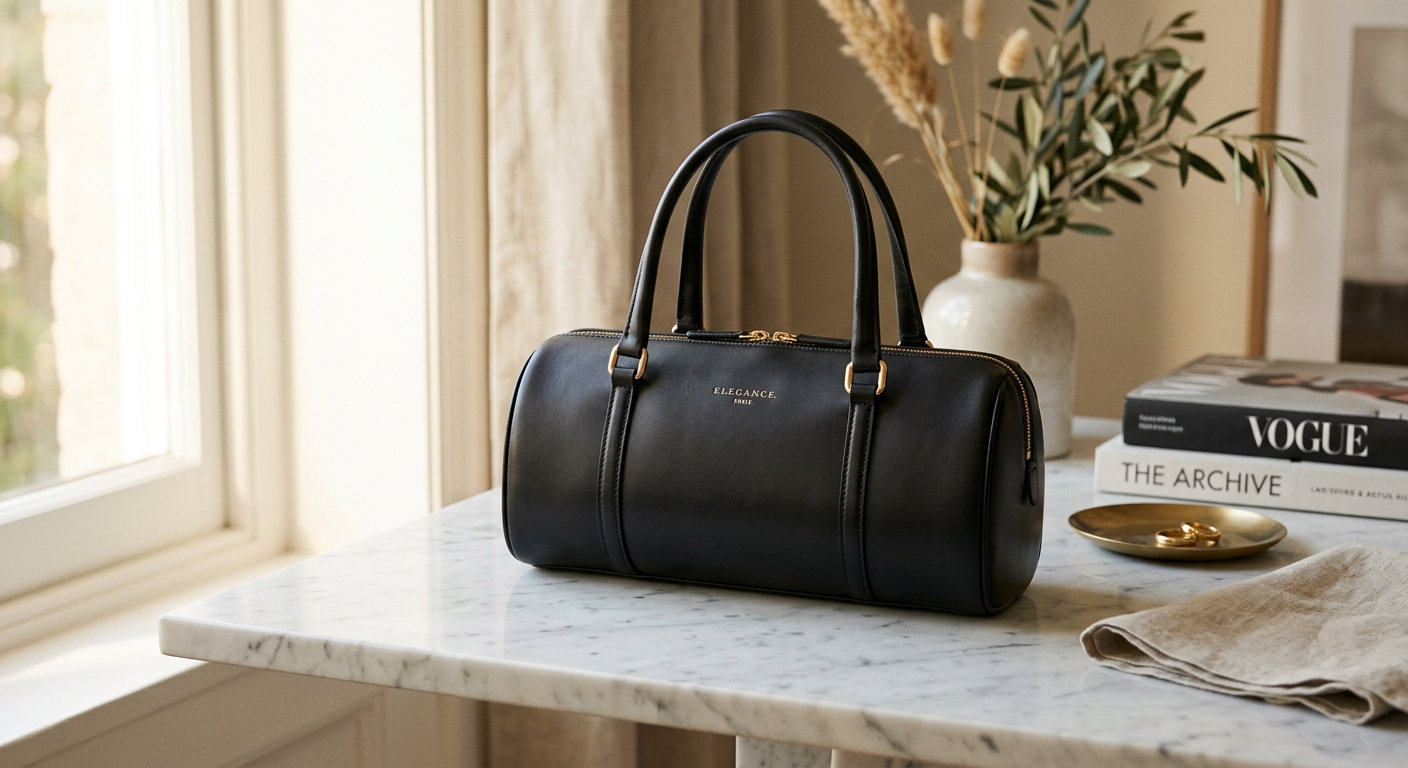

The woman checking into the hotel in Milan has two bags in her luggage. One is the Hermès Birkin she queued for, paid for, and treats with the reverence of a museum piece. The other is a bag that looks almost identical — same dimensions, same leather texture, same stitching pattern — but cost a fraction and carries no serial number that matters. She is not a fraud. She is a strategist.
The Math That Luxury Owners Do Quietly
Owning an authentic luxury bag does not mean you use it for everything. In fact, the more expensive the bag, the more selective its employment. The Birkin that cost fifteen thousand dollars does not ride the metro in Barcelona. The Chanel flap that appreciates in a safe does not sit on the floor of a beach club in Mykonos. The Louis Vuitton trunk that arrived by appointment does not get tossed into overhead compartments on budget flights.
Seasoned collectors understand something that Instagram does not show: the cost of a bag is not just the purchase price. It is the insurance, the anxiety, the constant peripheral awareness of where it is, who is near it, whether the restaurant has hooks or only the back of a chair. Multiply that across a ten-day trip through three countries, and the psychic overhead becomes exhausting.
The Risk Is Real, and It Is Targeted
Theft from tourists is not random. It is researched. Thieves in major European cities know what to look for — the Hermès orange box in a hotel lobby, the telltale stitching visible through a café window, the woman who instinctively clutches her bag when standing up. A bag worth more than most cars attracts attention that no amount of vigilance fully neutralizes.
Insurance can replace value but not sentiment. A stolen authentic bag is a loss that includes the memory of acquiring it, the trips it already took, the patina it earned. A replacement is not the same object. That irreplaceability is precisely why the original stays home.
The Replica as Travel Companion
The replica that travels does not pretend to be something it is not. Its owner knows exactly what it is. The point is not deception — it is practicality. The travel bag takes the subway, sits on airport floors, gets caught in rain, gets shoved under seats. It carries the same phone, the same wallet, the same lipstick. It simply does not carry the same risk.
After the trip, it can be cleaned, stored, or discarded without trauma. There is no claim to file, no police report to navigate in a foreign language, no three-month wait for an insurance assessment. The vacation ends when the vacation ends.
What the Smart Traveler Looks For
A travel replica is not the cheapest option on a market stall. It is a considered piece — well-made enough to withstand actual use, accurate enough to avoid unwanted attention, but not so expensive that its loss creates a second problem. The best travel companions are the bags that look correct from three feet away, that open and close smoothly, that do not fall apart mid-trip.
The stitching should be tight. The hardware should not turn green after a week of humidity. The leather — or quality alternative — should feel like something, not plastic. The point is not perfection. It is reliability.
The Conversation Nobody Has Publicly
This practice is more common than luxury marketing admits. Collectors who own dozens of authentic pieces often have specific travel equivalents. The person with three Rolexes may wear a replica to the beach. The woman with a closet of Chanel flaps may carry a different version to the music festival. It is not discussed because the luxury industry prefers the narrative that authenticity is all-or-nothing. The reality is more nuanced.
Owning the authentic piece grants the knowledge to recognize quality. Traveling with a carefully chosen alternative grants the freedom to actually enjoy the destination. These are not contradictory positions. They are complementary strategies.
The Verdict
The question is not whether a replica can replace an authentic bag. It cannot, and it is not trying to. The question is whether every situation demands the highest-stakes option. A dinner at home with friends might warrant the Kelly. A train journey through Italy with a backpack and a map probably does not.
Intelligent ownership means matching the object to the context. The authentic bag belongs in the collection, in the moments worth memorializing, in the photographs you will frame. The travel companion belongs in the chaos, the adventure, the unscripted hours where something might go wrong — and if it does, the loss is manageable.
Both bags serve their purpose. The wisdom is knowing which one to carry out the door.
Looking for a travel-ready luxury companion? Click the WhatsApp button in the corner to send us a message, and our expert sourcing team will help you find the perfect piece for your next adventure.